Remote monitoring for solar street light projects
Connect solar controllers, gateways, batteries, and field devices to one platform for status monitoring, parameter configuration, alarms, and maintenance reporting.
Battery data
Charge, discharge, voltage, current
Controller access
RS485, TTL, 4G, LoRa, Wi-SUN
Maintenance
Fault alarms and project reports
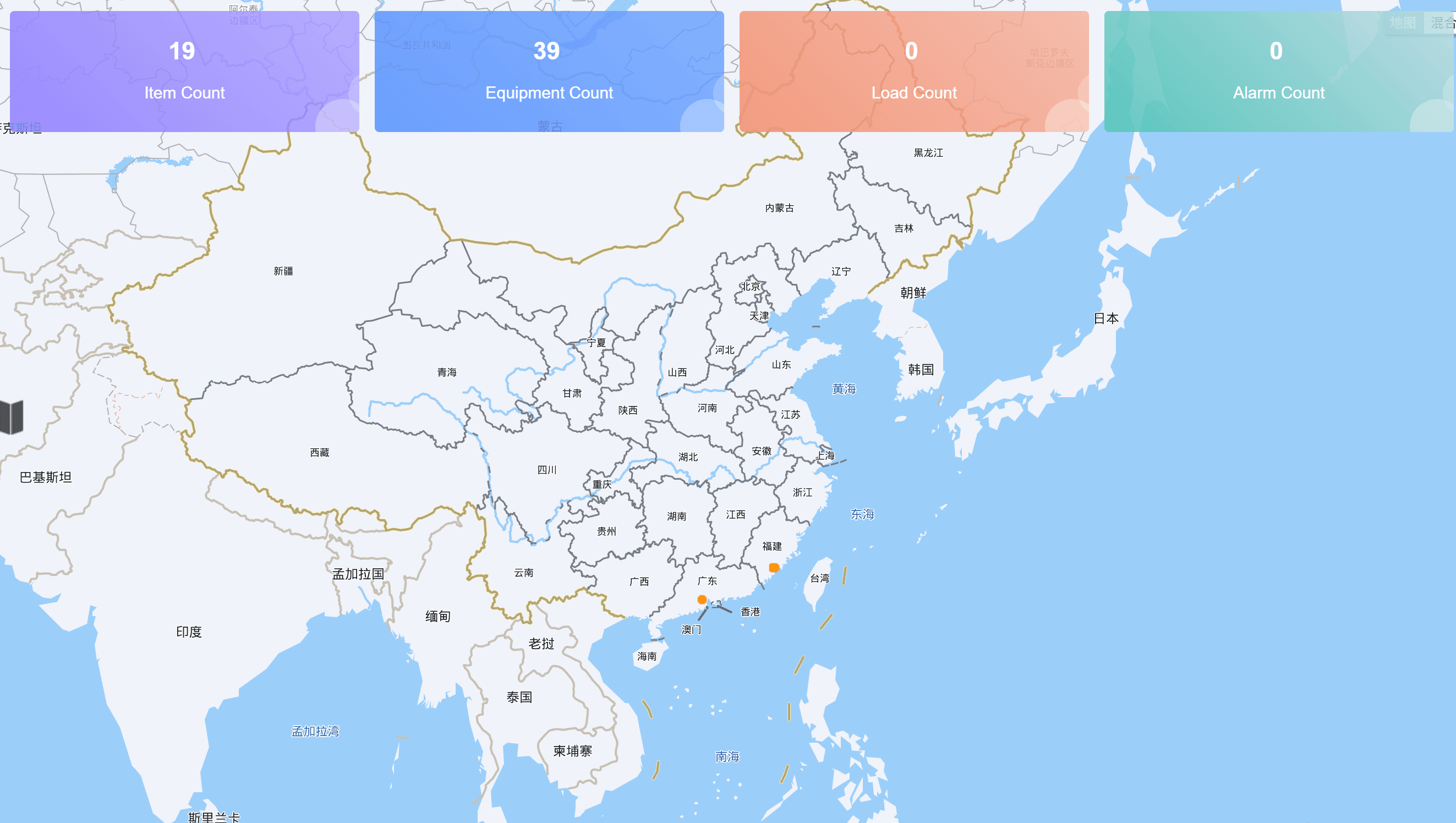
Platform overview
View solar lights by area, site, and controller status.
Device details
Use device values, history, and parameter records for follow-up.
Focus on the data that keeps solar lights working
The platform is organized around battery condition, controller access, fault handling, and the reports project owners ask for after deployment.
Battery-aware monitoring
Read solar controller data such as charge and discharge status, battery voltage, load current, and operating state.
Remote parameter setup
Adjust controller parameters and dimming schedules remotely when field conditions or project requirements change.
Fault and offline alerts
Track communication loss, abnormal charging, low battery, lamp faults, and other conditions that need follow-up.
Project-level reports
Review daily and monthly operating data for maintenance planning, warranty discussion, and owner handover.
Device overview, monitoring, and data reports
Use the real platform screens to locate devices, review controller values, and compare operating data over time.
Device map and equipment details
Locate deployed solar lights on the map and review the selected device's current operating values.

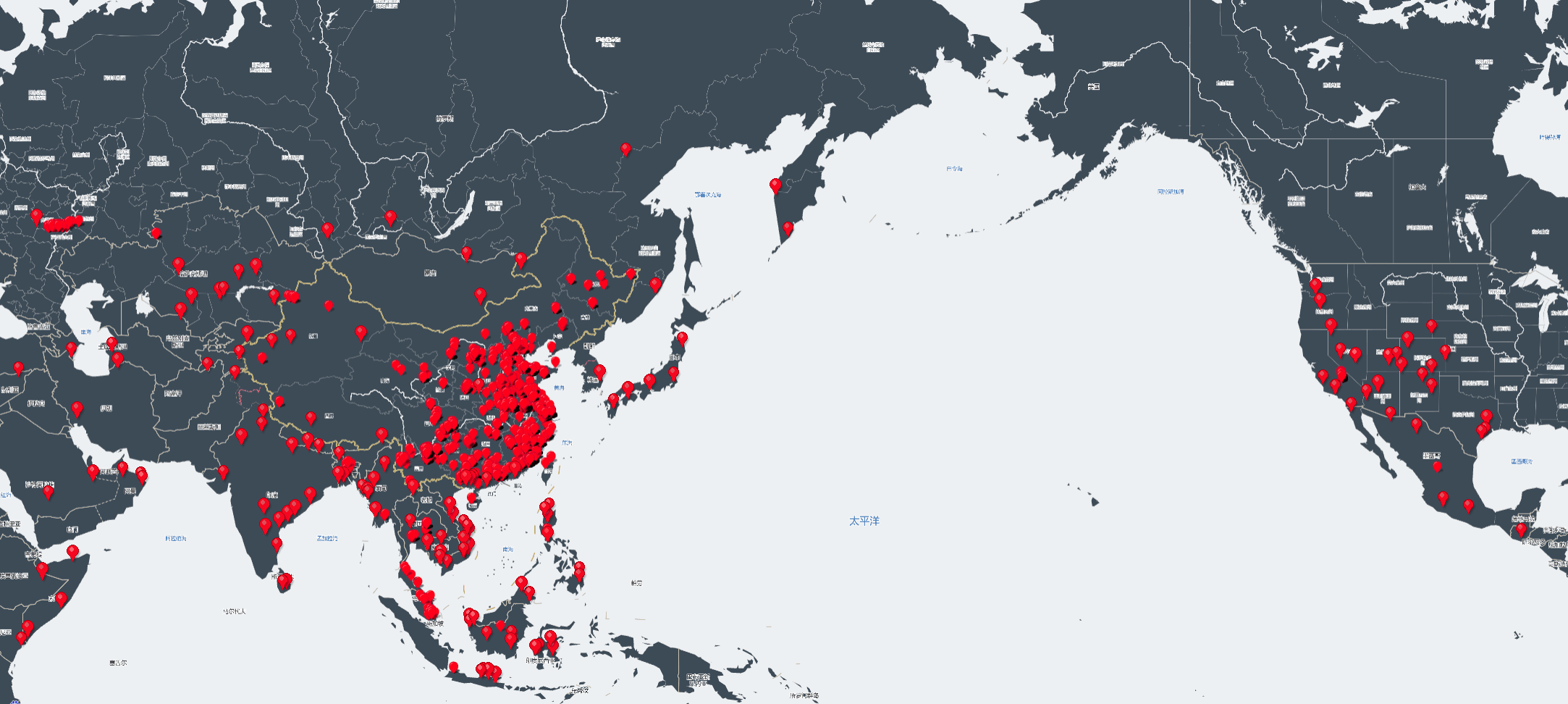
Global device distribution
See project and device distribution across regions from a single platform view.
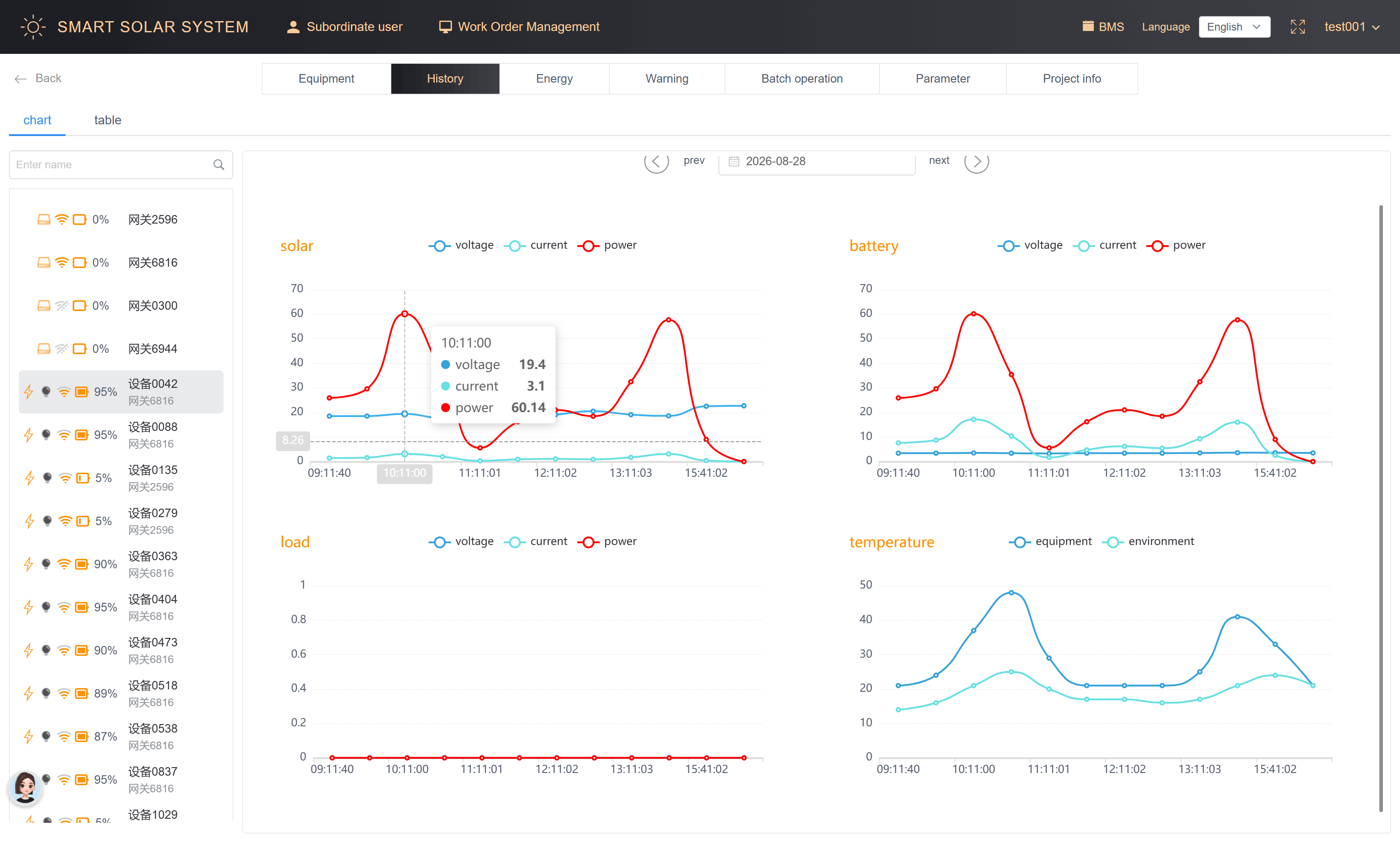
History charts
Review solar, battery, load, and temperature curves to understand operating changes over time.
Where the solar lighting platform is used
The same platform structure can support solar street light management, off-grid power monitoring, and solar-powered security equipment.
Scenario 01
Solar street light management
Centralized switching, dimming, fault diagnosis, and energy analysis for city solar road lighting networks.
Scenario 02
Off-grid power system monitoring
Monitor remote solar generation systems and battery health for stable off-grid power supply.
Scenario 03
Solar security equipment
Manage cameras and safety devices powered by solar systems, with alerts for abnormal status and power conditions.
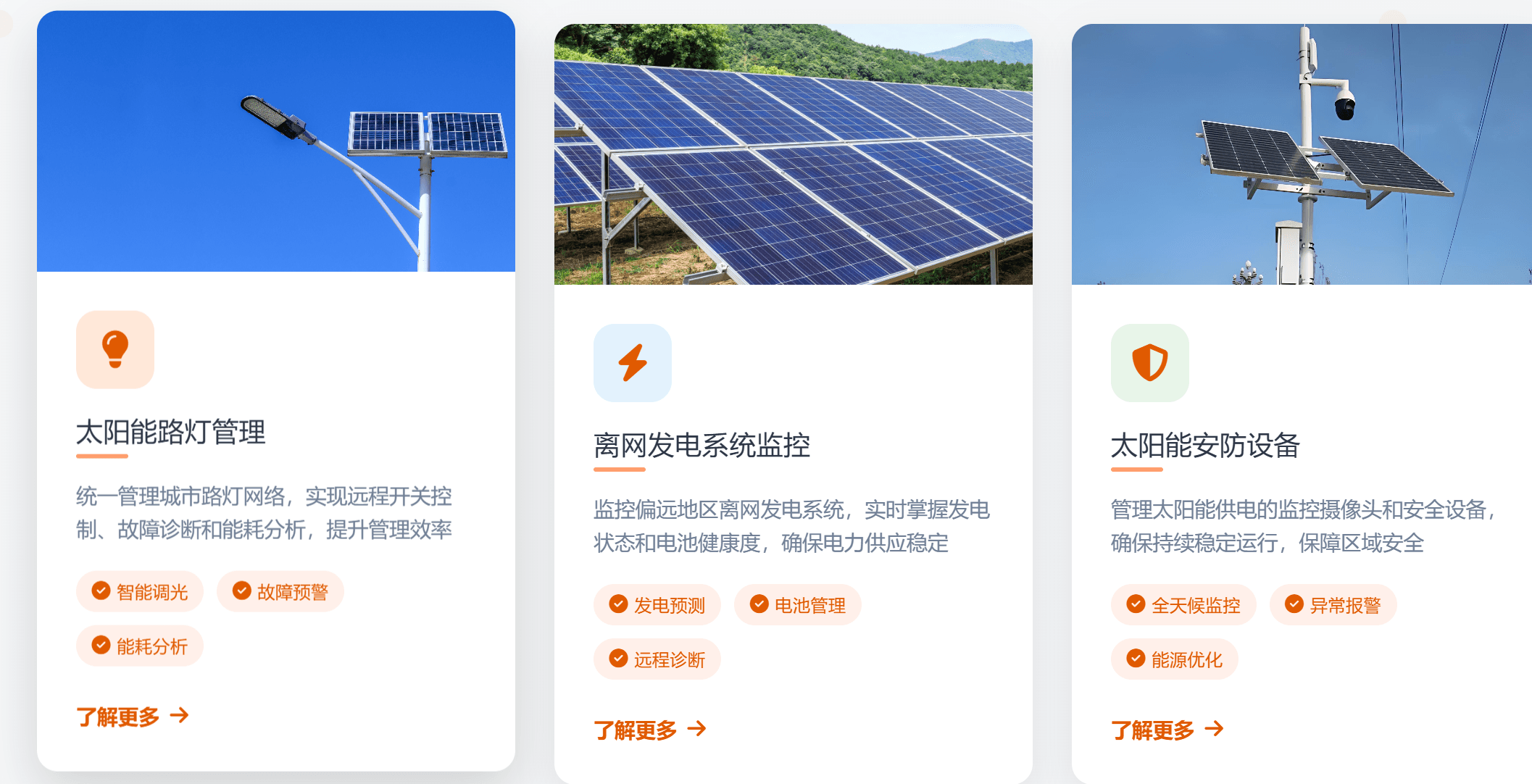
Representative application categories for solar lighting, remote power, and solar-powered monitoring projects.
Connect the solar controller layer to the platform
Use 4G, LoRa, Wi-SUN, Zhaga, RS485, and TTL options according to the lamp, controller, and project network design.
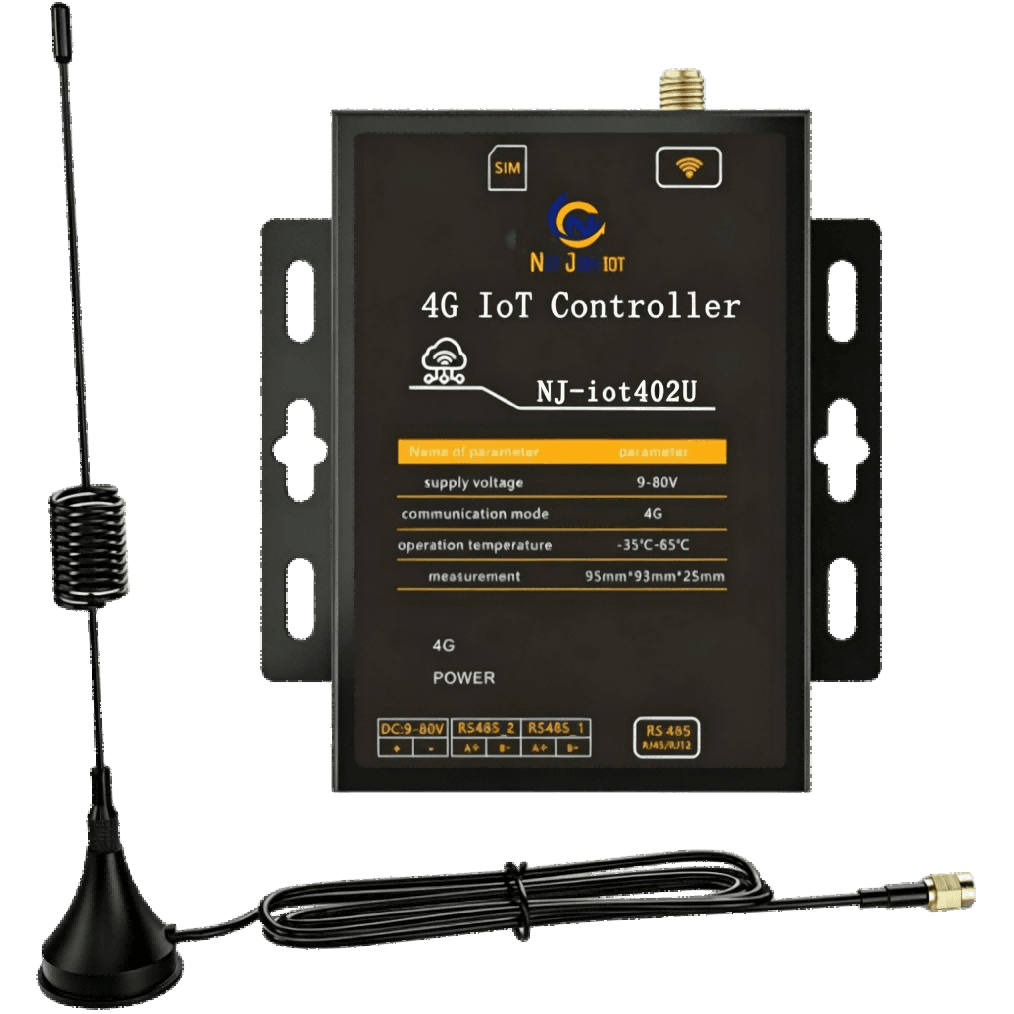
Access option 01
4G solar lamp controller
Direct cloud access for solar controller data, parameter reading, and remote configuration.
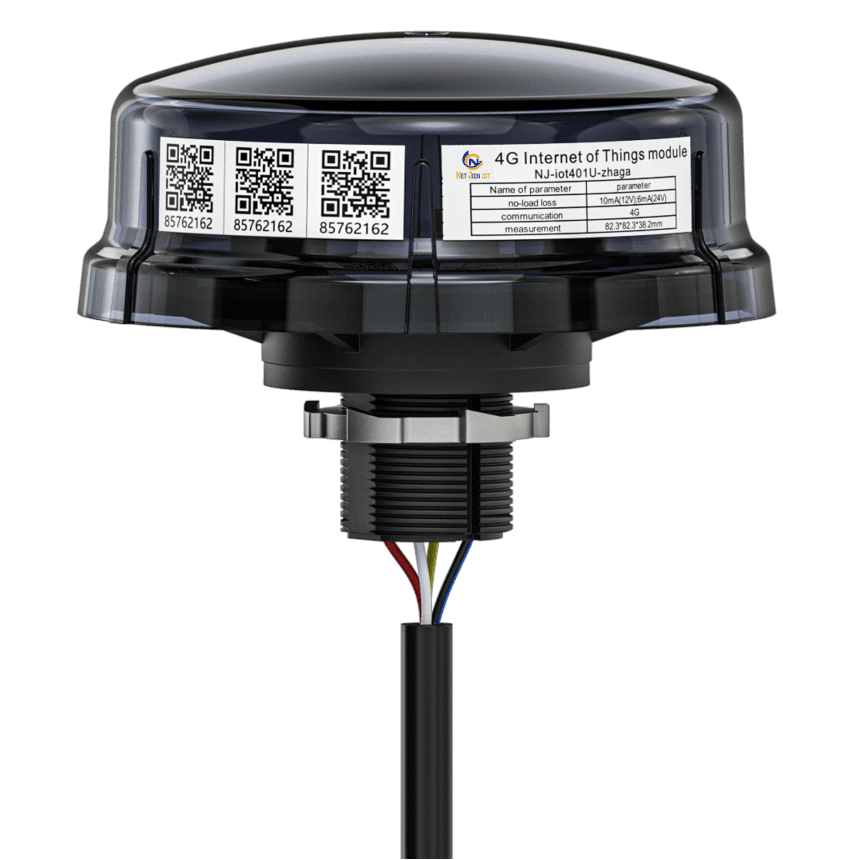
Access option 02
Zhaga solar IoT module
Compact integration for solar luminaires that need standardized IoT connectivity.
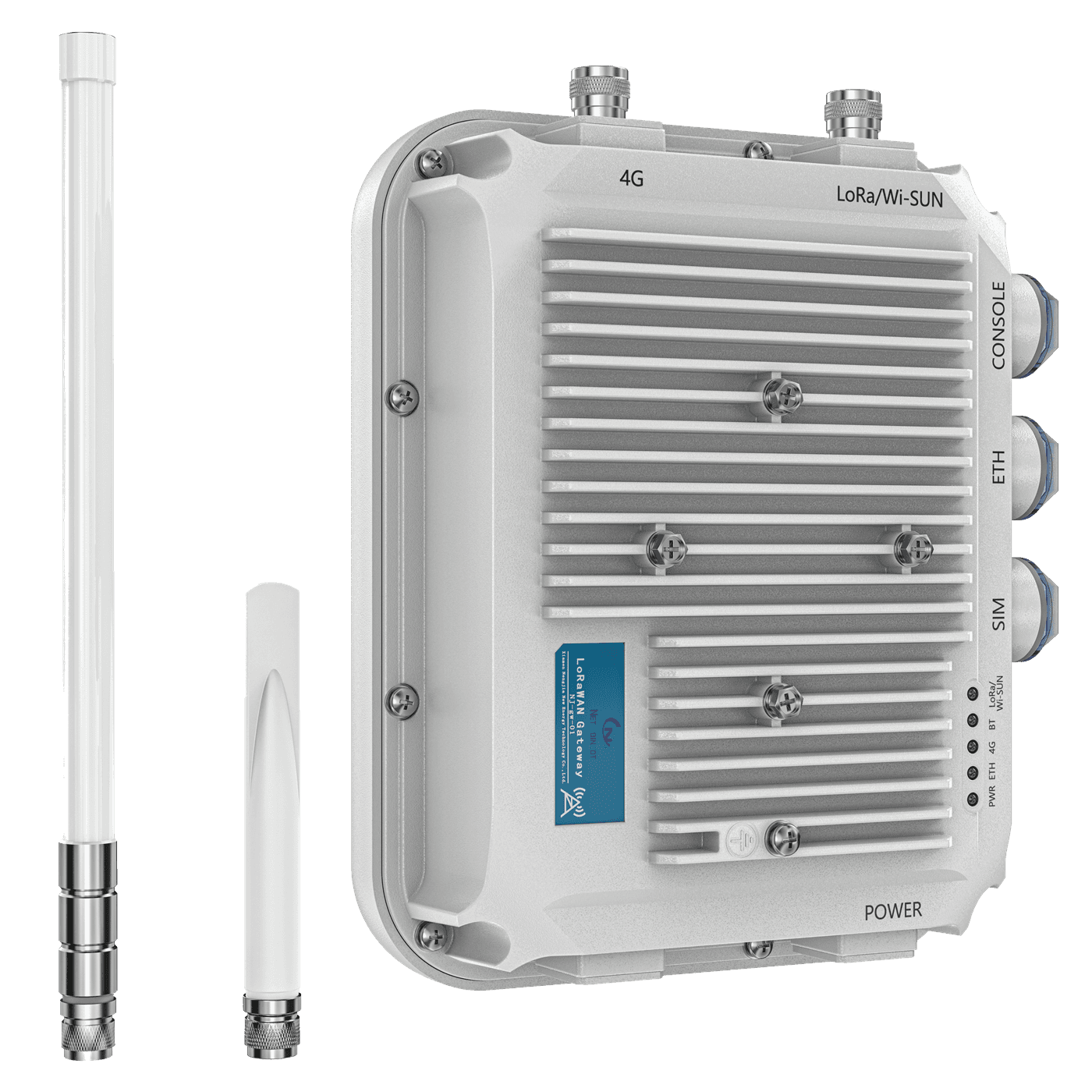
Access option 03
LoRa / Wi-SUN solar gateway
Gateway-based networking for distributed solar lighting projects and low-power field nodes.
Choose a platform setup that matches the project owner
Solar lighting projects can start with cloud access and move toward a private environment when data, policy, or integration requirements call for it.
Cloud platform
Suitable for pilots, overseas rollouts, and multi-site projects that need remote access without local server setup.
Private deployment
Suitable for owners or integrators with stricter network policy, data access, or integration requirements.
Prepare a solar lighting monitoring plan
Share the controller type, communication method, battery system, project quantity, and deployment country so the platform and hardware plan can be matched to the field conditions.